We may earn a commission if you buy through brand links on this page. It does not change what we write. How this works.
Why the round shape works
A barrel has no top corners for hot air to sit in, and its curved ceiling sits closer to your head than a flat ceiling at the same bench height. That means a smaller volume of air to heat per seat, which can shorten warm-up and let a modest heater do the job. Hot air also moves along the curve, which many users feel as more even heat across the bench.
The trade-offs
- Headroom: you sit, you don’t stand. Tall users should check interior height at the bench.
- Bench width: the curve limits how deep benches can be, so lying down is easier in larger models.
- One bench level in most barrels, so less choice between hotter and cooler seats.
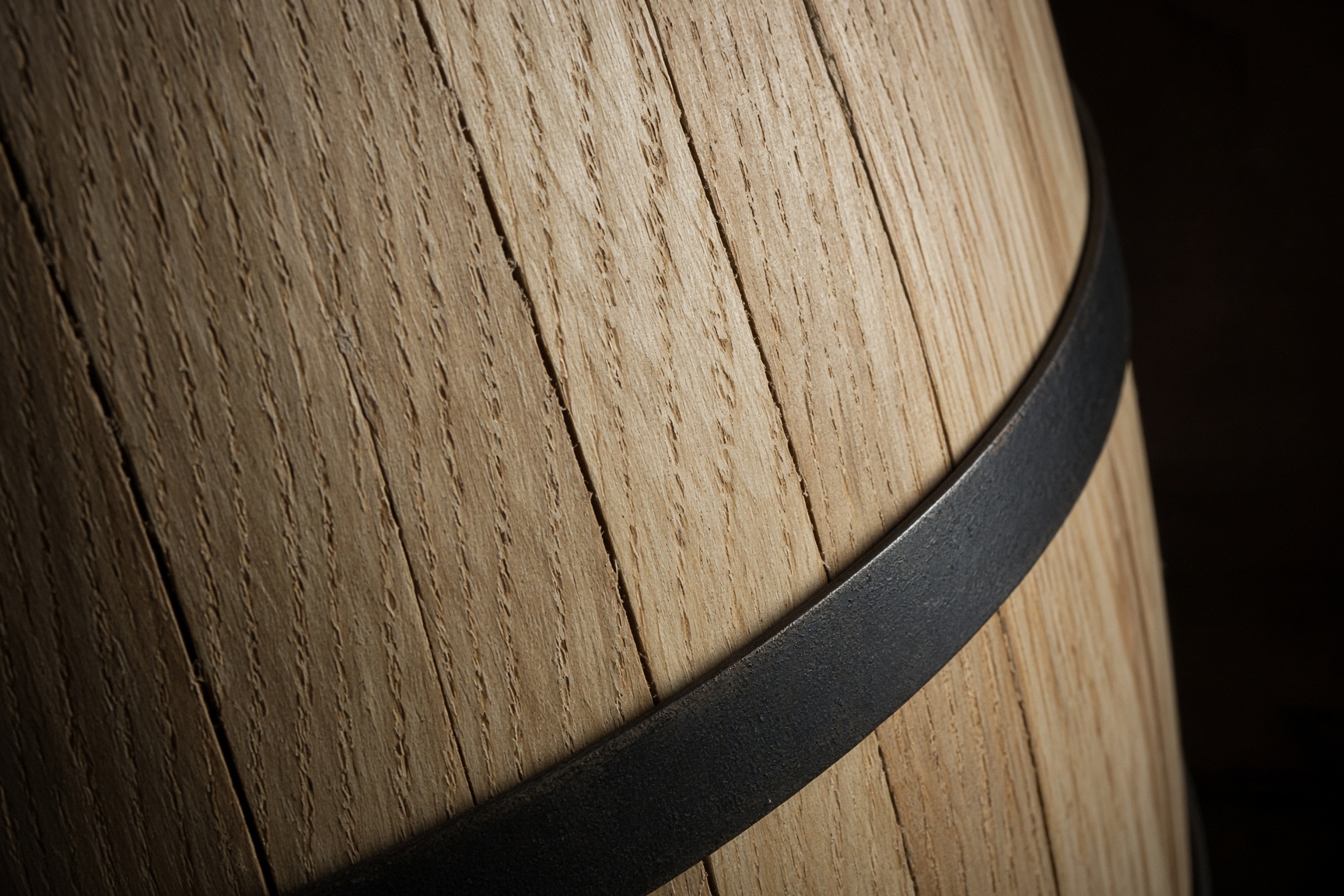
- Wood movement: staves expand and shrink with humidity and season, which is why the bands need checking.
When a cabin is the better buy
Choose a cabin if anyone needs to stand up to change, you want a cooler lower bench and a hotter upper one, or you want a changing area out of the weather. Choose a barrel when the round room and a simpler kit matter more than headroom.
Sizes
Barrels are sold by length and seats. Common sizes run from compact two-person models to six- and eight-person versions. Length adds bench space; diameter adds headroom. Some longer models split into a hot room and a small porch or changing area.
Wood
| Wood | Strengths | Consider |
|---|---|---|
| Western red cedar | Rot and insect resistant, aromatic | Usually the most expensive |
| Nordic spruce / pine | Traditional, light color, lower cost | Benefits from exterior finish |
| Thermowood | Stable, rot resistant, darker | Look is different from raw wood |
Heater options
Most barrels ship with an electric heater option, and many offer a wood-fired option. Electric needs a correctly sized dedicated circuit (commonly 240V); wood-fired needs chimney clearances and fuel. Our heater guide covers sizing.
Maintenance that keeps a barrel tight
- Check and adjust the steel bands as the manufacturer recommends, especially in the first months and when seasons change.
- Keep a roof covering on (shingles or a membrane), particularly in wet climates.
- Let it dry out after use with the door or vents open.
- Clean benches and refinish the exterior when the finish wears.
- Keep the base clear of standing water and vegetation.
Frequently asked questions
Are barrel saunas better than cabin saunas?
They heat a smaller volume of air for the same bench space and are often cheaper and quicker to assemble. Cabins win on headroom, bench width, two-level benches and space for a changing area.
Do barrel saunas leak?
They can if the staves shrink and the bands are not adjusted. Wood moves with the seasons; tightening the bands as the manufacturer instructs and using a roof covering keeps a barrel weathertight.
How long does it take to assemble a barrel sauna kit?
It varies by model and experience. Plan at least a full day with two people for the body, then separate time for the electrician to connect an electric heater. Check the manufacturer's estimate before booking help.
Can a barrel sauna go indoors?
Some can, if the room has the height, ventilation and floor to support it, but most are designed and warrantied for outdoor use. Check the specific model.